Dal web)LA GRAFIA È IL MODO IN CUI I SUONI DI UNA LINGUA VENGONO TRADOTTI IN SEGNI SCRITTI O IL MODO PERSONALE DI TRACCIARE I CARATTERI A MANO.
Imparai la tecnica della dattilografia nel 1967, all’età di quattordici anni.
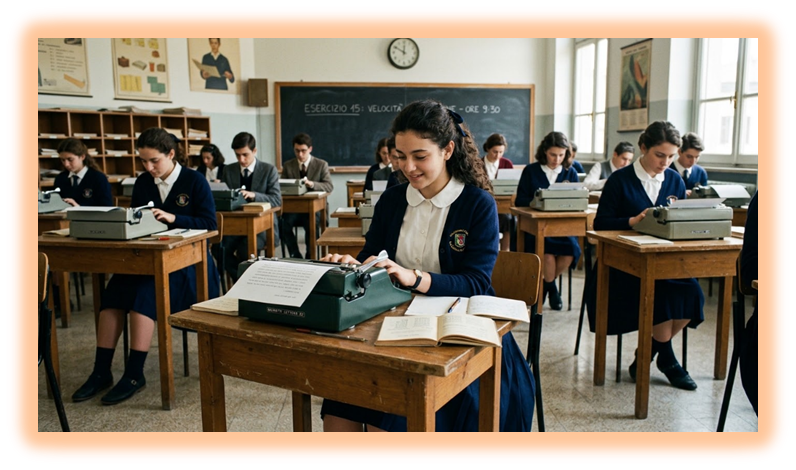
Frequentavo la St. John’s School di Melbourne, era una scuola molto nota all’epoca per le classi di avviamento al lavoro, infatti, preparava noi ragazze a diventare le future segretarie d’azienda.
Nella classroom di questa materia, sui nostri banchi c’erano macchine da scrivere molto vecchie della famosa marca Olivetti. Erano alte, con una tastiera rigida, che bisognava premere i tasti con grande forza affinché le lettere si stampassero bene sulla carta. Imparammo perfino a cambiare il nastro dell’inchiostro senza macchiarci. Le mie insegnanti erano suore, molto, molto severe, ma estremamente preparate. Il metodo per imparare era assai noioso, all’inizio si doveva battere ripetutamente sui tasti guida per memorizzarli e riuscire a digitare automaticamente con tutte e otto le dita (i pollici erano riservati esclusivamente alla barra spaziatrice). Ogni dito aveva i suoi specifici tasti. Alla fine di sei mesi, però, assimilai la tecnica, acquisendo una notevole velocità di battitura.
Oggi trovo comodissimo scrivere sulla keyboard del computer, ed è molto più sensibile alla battitura e non ce il nastro da cambiare.
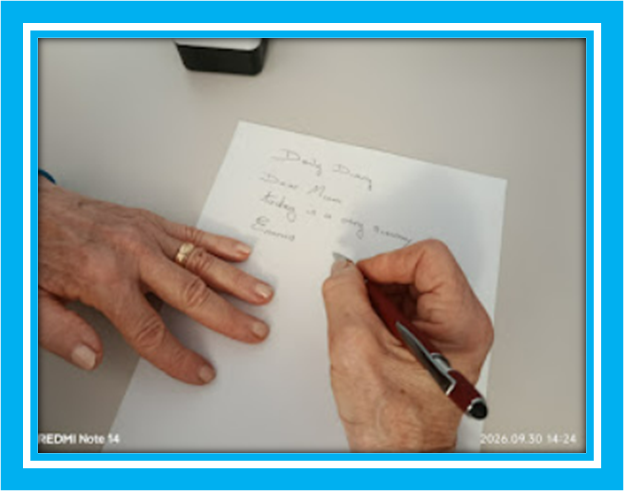
Comunque la scrittura a mano resta qualcosa di insostituibile, ti rappresenta intimamente, a partire da ogni firma che lasci.
Mia mamma, nata nel 1923, aveva una bellissima calligrafia, fluida ed elegante, frutto di un’epoca in cui scrivere bene era forma di rispetto e decoro.
Ricordo ancora oggi l’emozione di quando si scrivevano le lettere a mano. Non era solo un modo per comunicare, ma un vero e proprio rituale. Si sceglieva la carta adatta, piuttosto leggera per la posta aerea, si impugnava la penna e ci si prendeva il tempo per riordinare i pensieri. Ogni cancellatura o imprecisione raccontava uno stato d’animo. Poi c’era la cura nel chiudere la busta, nell’incollare il francobollo e nell’imbucarla, seguita dalla dolce e trepidante attesa della risposta. Ricevere una lettera significava stringere tra le mani un pezzo della persona che l’aveva scritta, riconoscerne i tratti, il profumo della carta, l’inclinazione delle parole.
Oggi, purtroppo, questo mondo sembra appartenere a un passato lontanissimo.
La scuola stessa ha cambiato direzione, i miei nipoti me lo confermano. Se ai miei tempi l’uso della macchina da scrivere era una disciplina specialistica riservata a un percorso professionale, oggi la tastiera è diventata il punto di partenza per tutti fin dai primi anni di studio. Nelle aule i quaderni lasciano sempre più spazio a iPad, tablet e PC. La scuola incentiva i ragazzi a consegnare compiti digitati, a prendere appunti sullo schermo e a familiarizzare subito con software e tastiere digitali.
Questo orientamento risponde senza dubbio alle esigenze del mondo moderno, rendendo i ragazzi veloci e pronti per il lavoro di domani. Tuttavia, questo continuo spingere verso la tastiera sta facendo perdere loro il contatto con la scrittura a mano. I giovani non si esercitano più a sviluppare una propria calligrafia, spesso faticano a scrivere in corsivo e non provano più la sensazione di far scivolare l’inchiostro sul foglio.
Se da un lato la tecnologia offre velocità e comodità, dall’altro ci priva di quell’impronta personale e riflessiva che solo la penna sa dare. La sfida di oggi non dovrebbe essere sostituire la penna con lo schermo, ma insegnare ai ragazzi a padroneggiare entrambi i mondi: la rapidità della tastiera per comunicare con il mondo, e la cura della scrittura manuale per rimanere in contatto con se stessi.
TRANSLATION:

I learned touch-typing in 1967, at the age of fourteen.
I attended St. John’s School in Melbourne, an institution well-known at the time for its vocational training classes; indeed, it prepared us girls to become future corporate secretaries.
In that class, our desks were equipped with very old typewriters from the famous Olivetti brand. They were tall machines with stiff keyboards, requiring us to press the keys with considerable force to ensure the letters printed clearly on the paper. We also learned how to change the ink ribbon without getting stained. My teachers were nuns, and very, very strict, yet extremely good . The learning method was quite boring, initially, we had to repeatedly strike the “home row” keys to memorize their positions and eventually type automatically using all eight fingers (thumbs were reserved exclusively for the space bar). Each finger had its own specific duties. After six months, however, I had mastered the technique and achieved remarkable typing speed.
Today, I find typing on a computer keyboard incredibly convenient; it is far more responsive to the touch, and there is no ribbon to change.
Nevertheless, handwriting remains irreplaceable; it reflects your inner self, starting with every signature you leave behind.
My mother, born in 1923, had beautiful handwriting—fluid and elegant—a hallmark of an era when writing well was a sign of respect and decorum.
I still remember the thrill of writing letters by hand. It was not merely a means of communication but a genuine ritual. You would select the right paper—lightweight for airmail—hold your pen, and take the time to gather your thoughts. Every erasure or imperfection revealed one’s state of mind. Then there was the care taken in… …sealing the envelope, affixing the stamp, and dropping it in the mailbox—followed by the sweet, eager anticipation of a reply. Receiving a letter meant holding a piece of the person who wrote it in your hands, recognizing their handwriting, the scent of the paper, and the slant of the words.
Today, unfortunately, that world seems to belong to the distant past, my grandkids confirm it.
Schools themselves have changed direction: while in my day using a typewriter was a specialized skill reserved for vocational training, today the keyboard is the starting point for everyone from the very first years of schooling. In classrooms, notebooks are increasingly giving way to iPads, tablets, and PCs. Schools encourage students to submit typed assignments, take notes on screens, and quickly familiarize themselves with software and digital keyboards.
This approach undoubtedly meets the demands of the modern world, equipping young people to be fast and ready for the jobs of tomorrow. Yet, this constant push toward the keyboard is causing them to lose touch with handwriting. Young people no longer practice developing their own penmanship; they often struggle to write in cursive and no longer experience the sensation of ink gliding across the page.
While technology offers speed and convenience, it also deprives us of that personal, reflective touch that only a pen can provide. The challenge today should not be to replace the pen with the screen, but to teach young people to master both worlds: the speed of the keyboard for communicating with the outside world, and the care of handwriting for staying in touch with themselves.