QUESTE DONNE: CLEME, ALDA, CARLOTTA, MARIETTA, DERNA, DELIA, ALFREDA, ZAIRA, MARIA, GIOCONDA, IRMA, CLOEFE.
Ogni mattina, nei tempi oramai lontani, vedevo queste donne passare nelle vie del Centro Storico per dirigersi ai lavatoi. Con passo svelto e il busto dritto, portavano sulla testa una tinozza piena di panni sporchi da lavare. Alcune di loro lavavano per le famiglie più benestanti, così da arrotondare il bilancio familiare. Non le ho mai sentite lamentarsi per quel lavoro così duro. Dalle loro abitazioni si incamminavano da ogni angolo del piccolo borgo, attraversavano la piazzetta e accedere ad un breve passaggio sotto la loggia per arrivare sul posto, difronte ai campi delle Suore nell’Aravina.
Quando nelle case non c’era ancora la lavatrice anche mia Mamma era una di loro che lavava i panni di famiglia in questi pozzi.
Le vasche erano grandissime e l’acqua gelida scorreva continuamente dalle fontane, ma per loro nemmeno questo era motivo di lamentela. Le bastava un pezzo di sapone, bruschino e un bel grembiule. Per loro era anche l’occasione per stare insieme, raccontarsi le vicende quotidiane e scambiarsi le novità del paese. Quando era la giornata di lavare le lenzuola, per strizzarle servivano quattro mani, due da un lato e due dall’altro, poi le torcevano dalle parti opposte per scolare l’acqua in eccesso. Si erano persino ingegnate con paletti e corde per stendere i panni ad asciugare proprio all’esterno del lavatoio. Forse vedere il bucato steso in pubblico non era un grande spettacolo, ma per loro era una necessità, dato che a casa non avevano la comodità di uno spazio aperto.
Si aiutavano davvero molto tra di loro!!!
D’estate portavano con sé anche i nipoti, che si divertivano a giocare con l’acqua e a stare al fresco in loro compagnia.
Ne sono passati di anni da quei tempi: oggi gli elettro domestici sono entrate in tutte le case ed è tutto più facile.
Che ne è stato di quei vecchi POZZI lungo la Turrite?
Le generazioni cambiano e inevitabilmente nascono nuove prospettive. Oggi la gente viaggia per scoprire altre località, per conoscere la storia dei luoghi e per lasciarsi guidare verso territori inesplorati. Così, dopo tanti anni di abbandono, questo posto è stato riqualificato ed è diventato un officio INFO POINT.
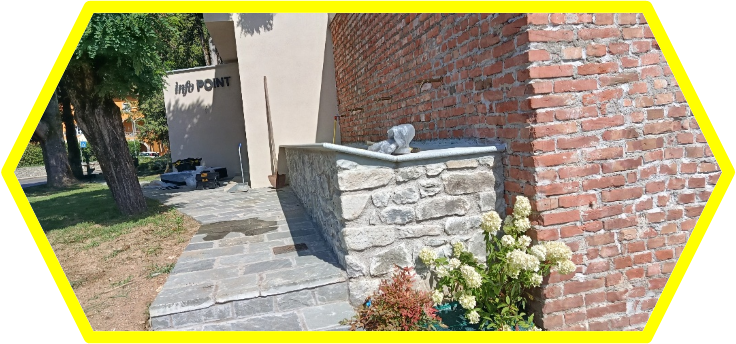
I quattro pozzetti costruiti all’esterno mostrano ancora l’identità di questo posto.
Oggi è nato un nuovo punto di riferimento per tutti.
Sono certa che in quelle stanze si racconteranno le origini dell’edificio, riportando alla memoria il ricordo di quelle Donne “lavandaie”.
Nessuno potrà mai spazzare via la storia, perché loro fanno parte di CIÒ CHE SIAMO.
TRANSLATION:
Back in days, every morning I used to see these women walking through the streets of the historic center on their way to the public wash-houses. With quick steps and upright posture, they carried tubs full of dirty laundry on their heads. Some of them did laundry for wealthier families to help with their household expenses. I never heard them complain about that hard work. They would set out from their homes in every corner of the small center, cross the little square, and pass through a short archway to reach the place, located opposite the nuns’ fields in Aravina.
Before washing machines became common in homes, my mother was one of those women who washed the family laundry at these basins.

The pools were huge, and freezing water flowed constantly from the taps, yet the women never complained about it. They took with them soap, a scrubbing brush, and a sturdy apron. It was also a chance for them to socialize, share stories about their daily lives, and exchange village news. On days when they washed bedsheets, wringing them out required four hands—two on each side—as they twisted the fabric in opposite directions to drain the excess water. They even devised a system of stakes and ropes to hang the laundry out to dry right outside the wash-house. Seeing laundry hanging in public might not have been a pretty sight, but it was a necessity for them, as they lacked the luxury of open space at home.

!
In the summer, they would bring their grandchildren along with them, the kids loved playing in the water and staying cool in their company.
Many years have passed since then, today, household appliances have found their way into every home, and everything is much easier.
So, what became of those old washing pools along the Turrite?
Generations and society change, and inevitably, new perspectives emerge. Today, people travel to discover new destinations, learn about local history, and explore uncharted territories. Thus, after years of neglect, the site has been renovated and transformed that house into an INFORMATION POINT.
The four small washing basins built outside still reflect the site’s original identity.

Today, a new landmark has been created for everyone.
I am certain that the building’s origins will be recounted within those rooms, keeping the memory of those women alive.
No one can ever erase their story, for they are part of WHO WE ARE.